
Pierce County Low Voltage Lighting
 Modern properties across the area rely on Pierce County Low Voltage Lighting to improve safety, highlight architecture, and reduce energy use. From pathways to accent fixtures, low voltage systems offer flexible design options while keeping operating costs under control for homes and businesses.
As infrastructure in Pierce County has grown from early waterfront communities to today’s busy corridors, lighting expectations have changed as well. With Pierce County Low Voltage Lighting, property owners can upgrade aging fixtures to durable, code-compliant solutions that perform reliably in our damp, variable Northwest climate.
Here are some of the professional services available in Pierce County.
- Low Voltage Wiring Services
- Low Voltage Lighting Wire
- Low Voltage Electrician Near Me
- Low Voltage Lighting Transformer
- Low Voltage System Installation Company
- Outdoor Low Voltage Lighting
Call Gig Harbor Plumber today for dependable Pierce County Low Voltage Lighting design, installation, and troubleshooting support.
Pierce County Low Voltage Wiring
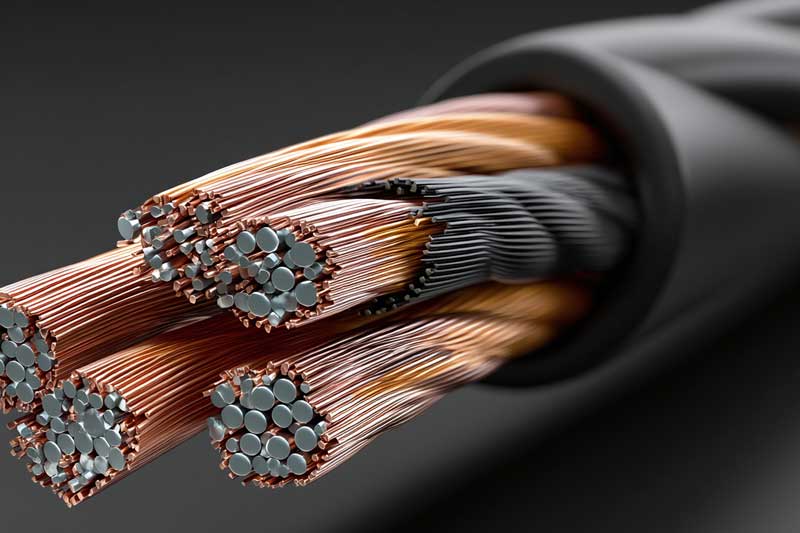 Well-planned Pierce County Low Voltage Wiring keeps lighting systems safe, organized, and easier to expand later. Correct cable sizing, routing, and protection help prevent voltage drop, nuisance outages, and premature equipment failure, especially on longer outdoor runs or multi-zone installations.
Because neighborhoods from South Hill to the Tacoma Dome district see frequent rain and occasional windstorms, quality Pierce County Low Voltage Wiring must account for moisture, soil conditions, and physical damage risks. Professional layout and terminations support consistent performance for landscape lighting, security fixtures, and pathway illumination.
Here are some of the professional services available in Pierce County.
- Low Voltage Wiring Contractors Near Me
- Low Voltage Wiring Services
- Low Voltage Wiring Installation
- Low Voltage Wiring Contractors
- Residential Low Voltage Wiring
- Low Voltage Systems Installation
Call Gig Harbor Plumber for prompt, precise Pierce County Low Voltage Wiring assistance tailored to your property’s layout and needs.
Questions and Answers
How much does Low Voltage Lighting cost in Pierce County?
Costs in Pierce County vary with fixture quality, wiring distance, and transformer size. Many projects fall into a moderate budget range, with long-term savings from reduced energy use and fewer bulb replacements compared to traditional systems.
Who installs Low Voltage Wiring for homes in Pierce County?
Licensed electricians and specialized low voltage contractors in Pierce County typically handle these installations. They design circuits, size transformers, and route wiring safely, ensuring your system meets local codes and performs reliably in outdoor conditions.
Is Low Voltage Lighting safe in Pierce County‘s wet weather?
When installed correctly with rated fixtures, waterproof connections, and proper burial depth, low voltage systems perform safely in Pierce County‘s wet climate. Regular inspections help catch damaged cables, loose connections, or failing transformers before problems develop.
Can I upgrade existing landscape lights to Low Voltage Lighting in Pierce County?
Most older landscape setups in Pierce County can be upgraded by replacing fixtures, transformers, and wiring as needed. A professional assessment identifies which components to reuse, improving efficiency, brightness control, and overall reliability.
Do I need permits for Low Voltage Wiring in Pierce County?
Some low voltage projects in Pierce County may require permits, especially when tied into main electrical panels or larger remodels. Local electricians are familiar with current regulations and can advise whether your specific project needs permitting.
What maintenance does Low Voltage Lighting need in Pierce County?
Routine maintenance includes checking fixtures for moisture, cleaning lenses, tightening connections, and inspecting exposed wiring. In Pierce County, it’s wise to schedule seasonal checks after heavy storms or landscaping work that might disturb buried cables.